If you come home to a broken deadbolt or shattered glass after a forced entry, take a breath and check for hazards. Here I lay out how a fast Orlando locksmith handles emergency lock repair after a break-in, what parts and steps are typical, and how to evaluate quotes. The guidance comes from hands-on experience with lock repair, common damage patterns after break-ins, and pragmatic choices to make under stress.

Safety-first triage for emergency locksmith calls
If forced entry is evident, prioritize people over property and remove everyone from the compromised area. Avoid disturbing the doorway, broken glass, or items on the floor because it can interfere with a police investigation and make cleanup harder. Contact law enforcement immediately if anyone might still be in the area or if theft has occurred.
After police complete the initial report or give the all-clear, look up a local emergency locksmith known for rapid response. When choosing, confirm the locksmith carries liability insurance, displays a license if your area requires one, and has current customer feedback. Request that the technician bring common cylinders, deadbolts, and strike plates to increase the odds of on-the-spot repair.
What a locksmith inspects at a forced-entry site
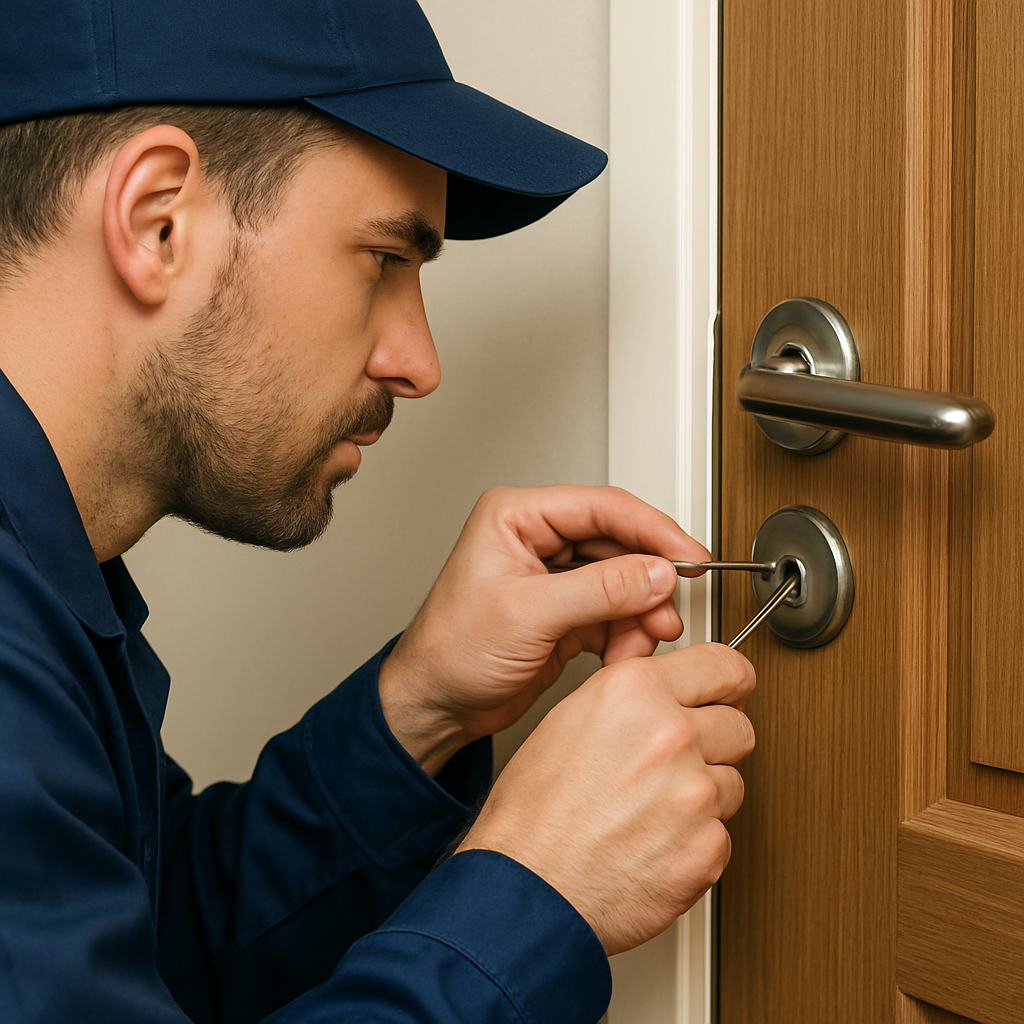
Technicians will assess the door, frame, and adjacent surfaces to determine whether repairs are limited to the lock or need carpentry help. They check for splintered jambs, bent strike plates, and the alignment of the door in the frame. Severe frame damage usually means the home needs a jamb rebuild or reinforcement in addition to new lock hardware.
The technician will then decide if rekeying the cylinder, replacing the cylinder, or installing a new lock set is the right remedy. Rekeying works well when the lock mechanism is intact and the threat is unauthorized keys rather than mechanical breakage. A split cylinder, sheared pins, or a bent deadbolt shaft means a new cylinder or full lock swap is safer.
How quickly an emergency locksmith can arrive and complete repairs
Response times vary, but many local 24 hour locksmiths aim to arrive within 20 to 60 minutes in urban areas like Orlando. High demand periods and holiday shifts commonly lengthen wait times and occasionally require a second trip for parts. A straightforward lock swap runs thirty to ninety minutes, but repairing or rebuilding a broken door frame can add many hours.
If the locksmith must order a specialty lock or an electronic module, you may face a next-day wait or a replacement with a compatible model. Ask if the crew has standard cylinders, commercial deadbolts, and reinforced hardware in their van to increase the chance of same-visit completion.
What you will likely pay for emergency lock repair after a break-in
Most invoices break out a dispatch fee, the cost of parts, and labor, with additional fees for after-hours or holiday work. Nighttime dispatch fees frequently land between $50 and $150, with higher values for longer travel distances or premium providers. Replacement mechanical cylinders are usually affordable, while smart lock kits and commercial-grade locks are a larger line item.
Labor for the actual installation might be billed at a flat rate or hourly, often about $75 to $150 per hour on an emergency visit. If structural carpentry is required to repair the jamb, the locksmith will typically subcontract or recommend a carpenter and provide an estimate. Ask the dispatcher to itemize the expected charges and any potential extras so you avoid surprises when the work finishes.
What paperwork and photos you should collect while the locksmith works
Photograph everything before the locksmith moves or replaces parts if police have not already instructed you to preserve the scene. If the police or insurer require physical evidence, set aside the broken cylinder and any tampered hardware and ask the technician to bag removed parts. Get the technician's full identification, the company name, and a detailed invoice listing parts and labor for your claim paperwork.
When you file an insurance claim, insurers usually want the police report number, photos, and an itemized invoice for the repairs. Review your homeowner's policy for coverage of emergency boarding or temporary measures because insurers sometimes reimburse these immediate security actions. Store the police report, repair receipts, and correspondence with the locksmith until the claim fully settles to avoid later disputes.
Choosing the right replacement after a break-in
If your budget is tight and the frame is sound, a certified grade 1 or grade 2 deadbolt offers a quick, dependable upgrade. When the door or jamb shows weakness, combine a heavy-duty deadbolt with jamb reinforcement plates to reduce the chance of easy forced entry. Smart locks add convenience but add attack surfaces, so only choose electronic options when you know how to configure and update them securely.

One of the most effective midrange upgrades is pairing a secure cylinder with a reinforced strike plate and long screws to anchor the jamb to the studs. This approach greatly raises the effort required to breach the door while keeping costs moderate compared to full-frame replacement. Ask the locksmith to show you how the new hardware functions before they leave and to test the bolt under pressure.
Behavioral and hardware steps to lower risk of a future break-in
Exterior lighting and sensible landscaping reduce concealment and make your property less attractive to opportunistic offenders. Upgrade to a solid-core or reinforced door, fit a deadbolt with a three-inch throw, and use three-inch screws in hinges and strike plates to improve resistance. A conspicuous camera or a security system sticker and a visible camera are sometimes enough to stop a casual intruder who prefers low risk.
Get rid of common hiding spots for keys and switch to codes, temporary mobile credentials, or a lockbox with controlled access. If you rent the property, coordinate with your landlord on upgrades and insist that repairs meet fire and building code requirements. Do a quick lock function test every few months and have a technician reassess if anything shifts or becomes harder to operate.
Choosing a trustworthy emergency locksmith under time pressure
Request the company and technician name and a van description at the time of booking, then check the ID and vehicle when the locksmith arrives. A reputable service can outline expected fees and explain after-hours surcharges before beginning the job. If a locksmith suggests unnecessary destructive work without alternatives, consider a second opinion.
Check for an ID badge, a business card, and a printed invoice at job completion, and ask if the company carries liability insurance. When in doubt about a locksmith's authenticity, stop and verify through the official company line or the police before allowing invasive work. https://lockmasterswfwm641.theburnward.com/renter-s-guide-to-lockouts-in-orlando-immediate-actions-and-rekey-locks-advice Use common sense to weigh quick action against proper vetting so you do not trade immediate speed for vulnerability.
A compact evening plan when you need emergency locksmith service
Photograph the damage, contact police for a report if needed, and retreat to a safe area until instructed by officers. Reach out to a reputable emergency locksmith, verify their inventory of parts, and ask for an arrival window and preliminary cost outline. Obtain the technician's identification and an itemized invoice, keep damaged parts for evidence if requested, and submit the police report and repair receipts to insurance.
When deciding between temporary and permanent repairs, request a clear cost-benefit explanation and a hands-on demonstration from the technician. Your optimal choice will reflect finances, the likelihood of repeated attempts, and how fast you can arrange a frame or door rebuild. With pragmatic decisions, a nighttime locksmith call can secure your home immediately and reduce the chance of repeat violations.